Gender confirmation surgery may play a central role in your transformation to becoming who you were always meant to be. Here are 10 things it may be helpful to know as you Take Yourself Forward.
In October 2017, Phoenix was among 68 out of 506 U.S. cities to earn perfect scores of 100 in ensuring LGBT equality. Cities were judged on their nondiscrimination laws, employee benefits, anti-bullying policies, and the presence or absence of LGBT people in leadership roles.
According to a study from the same year in which Phoenix, Arizona scored 100 in LGBT equality, surgical satisfaction for patients undergoing gender confirmation surgery ranges somewhere between 94% and 100% percent.
Dr. Craft is a double board-certified, Harvard-trained plastic and reconstructive surgeon with extensive experience in gender confirmation surgery. His motto, “Take Yourself Forward,” speaks to patients of all backgrounds and identities, urging them to be true to their inner self. Daily, he helps members of the LGBTQ community reach that goal.
Hormone therapy involves the use of testosterone for transmasculine individuals and estrogen for transfeminine persons. A prescribed regimen of hormones is usually carried on for a year or more, paving the way for surgeries that may be done to complete one’s transformation.
When a trans person takes testosterone, it reduces the assigned female sex characteristics and increases the assigned male sex characteristics. Some of the changes made possible by this include a redistribution of fat from the breasts, hips, and thighs to the abdominal area, increased muscle mass, deepening of the voice, enlargement of the clitoris, and increased body hair growth.
When a trans person takes estrogen, it reduces the assigned male sex characteristics and increases the assigned female sex characteristics. Some of the changes made possible by this are the beginnings of breast development, reduction in the size of the testicles, decreased facial and body hair, and decreased muscle mass.
Hormone therapy paves the way for future surgeries that will complete one’s journey if so desired. Top and bottom surgery aren’t usually begun until at least a year after hormone therapy was started.
Whether you are just beginning your journey or are well along with it, Dr. Craft and his team at CraftMD are ready to help you. We provide a comprehensive array of services for the surgical portion of your journey.
Please contact our office to schedule a personal consultation.
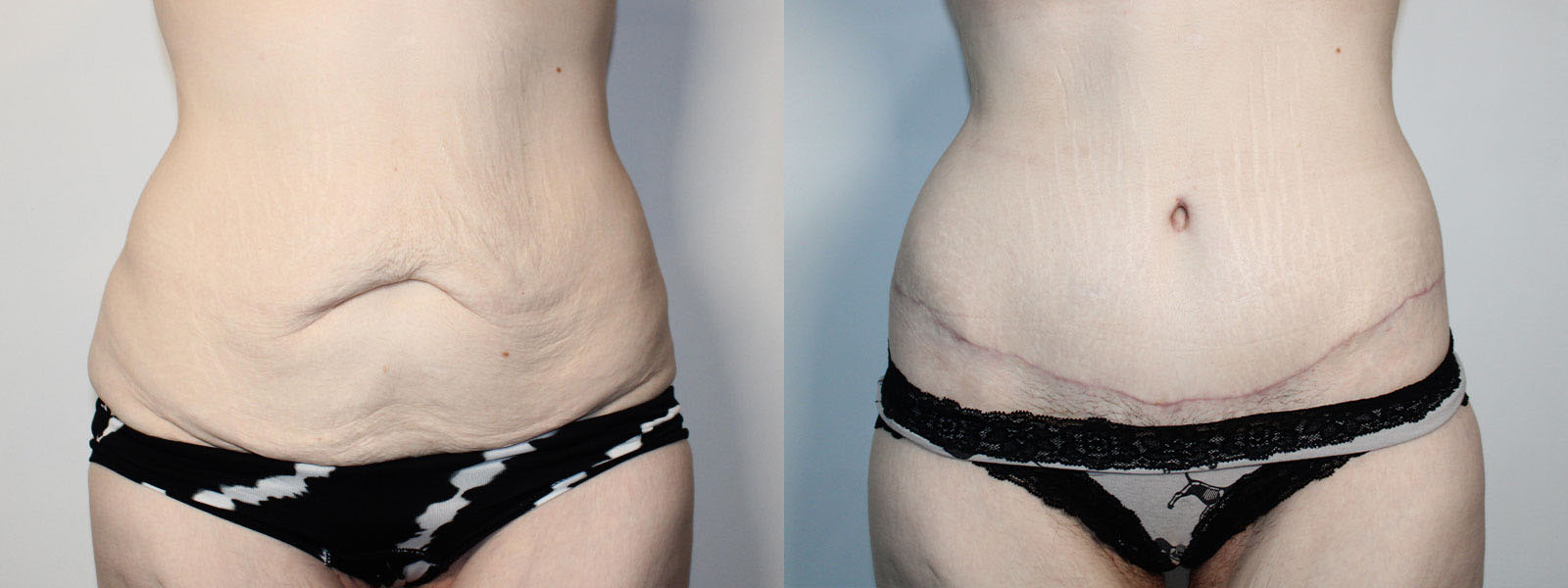
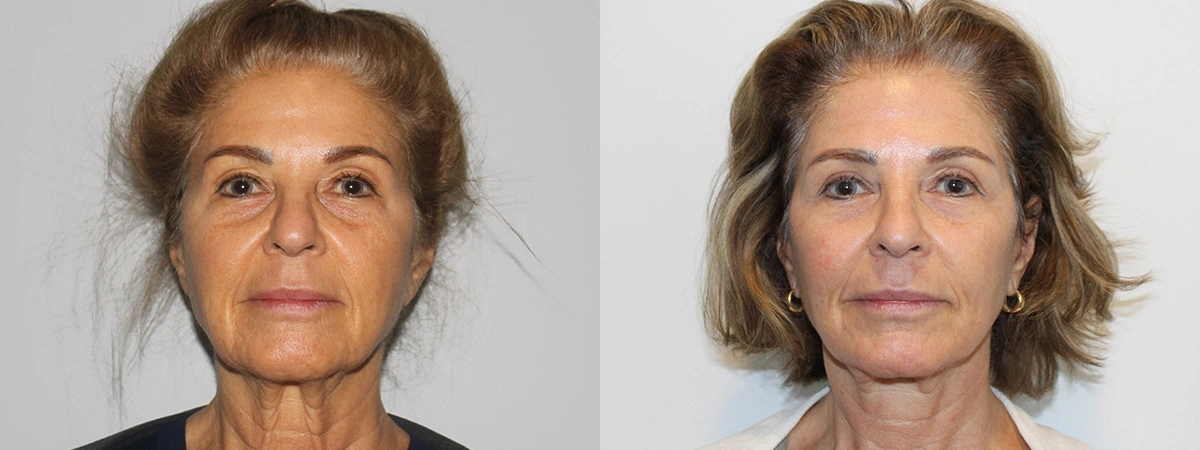

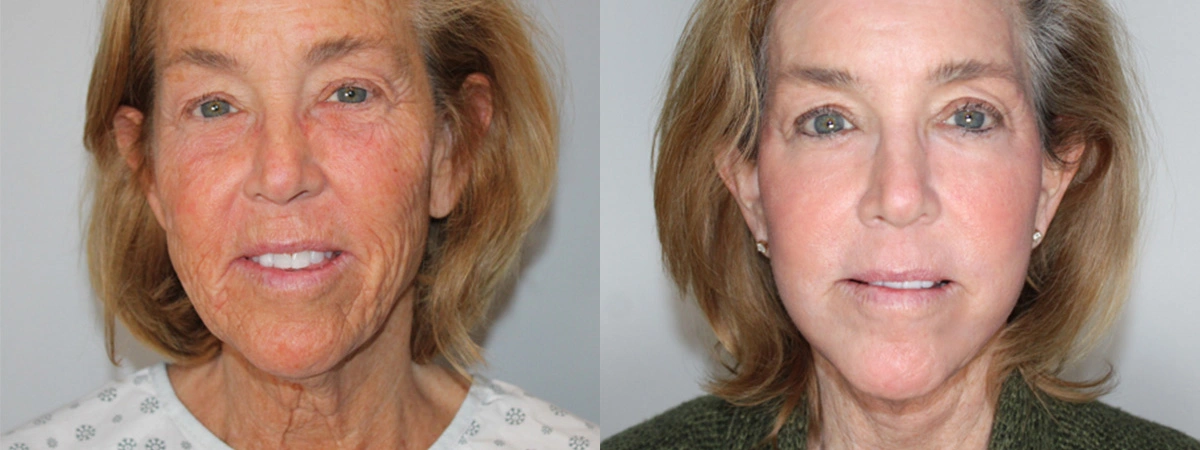
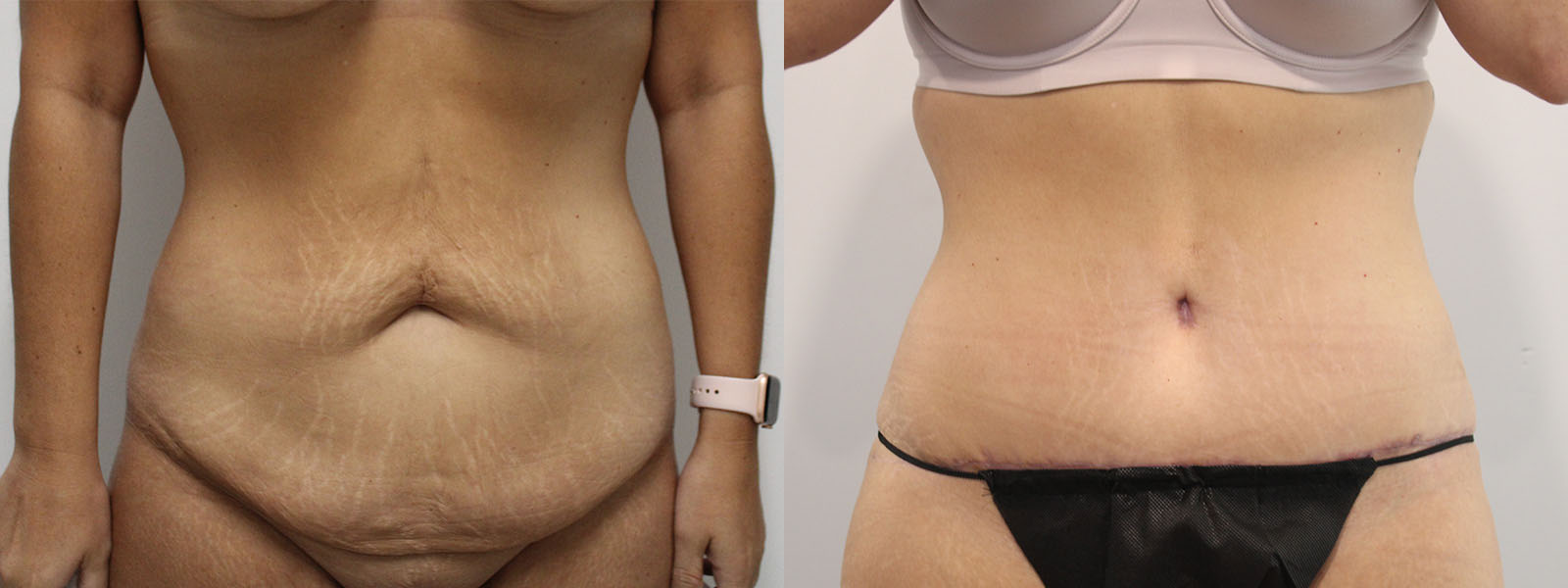
You don’t have to live in discomfort forever. When it comes to your breasts and your body, you deserve to feel free. To schedule your consultation, please call our Phoenix, AZ office at (602) 786-6975 or complete the online form.